
Shoplifting is a major challenge for retailers of all sizes. Lost merchandise can reduce profits, increase operating costs, and make it more difficult for businesses to maintain a safe shopping environment. As retail theft continues to evolve, businesses need reliable ways to protect their products while providing customers with a convenient shopping experience.
Modern Shoplifting Security Systems combine technology, monitoring, and effective store practices to help retailers identify suspicious activity and discourage theft. From electronic tags to video surveillance, there are several solutions businesses can use to strengthen their retail security.
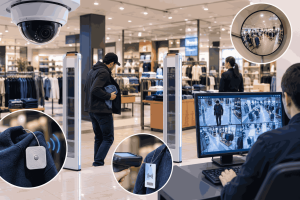
Here are five essential security systems every retailer should consider.
1. Electronic Article Surveillance (EAS)
Electronic Article Surveillance is one of the most widely used solutions for retail theft prevention. EAS systems typically use security tags or labels attached to merchandise. Detection antennas are installed near store exits and can trigger an alarm if an active tag passes through the detection area without being properly deactivated or removed.
EAS is particularly useful for clothing stores, supermarkets, electronics retailers, pharmacies, and other businesses with large amounts of merchandise.
Key benefits include:
- Helps deter unauthorized product removal
- Protects individual merchandise items
- Provides an alert when tagged products leave the store
- Can be integrated into existing retail security procedures
For retailers looking for a practical first layer of protection, EAS can be an important part of their overall Shoplifting Security Systems strategy.
2. CCTV and Video Surveillance
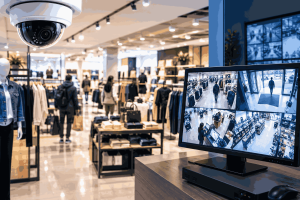
Security cameras provide retailers with visibility throughout their stores. Strategically positioned cameras can monitor entrances, exits, checkout areas, aisles, storage rooms, and other important locations.
Modern surveillance systems can provide high-resolution video and remote monitoring capabilities. Retail managers can review recorded footage when investigating incidents and use live monitoring to identify unusual activity.
Cameras can also act as a visible deterrent. When shoppers know that retail areas are monitored, they may be less likely to attempt theft.
For the best results, cameras should be positioned to minimize blind spots while respecting customer privacy and applicable regulations.
3. Security Mirrors
Security mirrors are a simple but effective addition to retail security. Convex mirrors can provide employees with a wider field of view, allowing them to observe areas that may otherwise be difficult to see.
They are especially useful in stores with tall shelves, narrow aisles, corners, or departments where direct visibility is limited.
Security mirrors do not replace electronic or digital security technologies, but they can complement other Shoplifting Security Systems at a relatively low cost.
Advantages include:
- Wider visibility across store areas
- Reduced blind spots
- Easy installation and maintenance
- Useful support for employee monitoring
Combining mirrors with cameras and attentive staff can create a more comprehensive security environment.
4. RFID-Based Inventory Security
Radio Frequency Identification (RFID) technology can help retailers track merchandise more efficiently. RFID tags contain information that can be detected using specialized readers, allowing businesses to improve inventory visibility.
Unlike traditional barcode scanning, RFID can allow multiple tagged items to be identified without requiring each product to be individually scanned.
Retailers can use RFID as part of inventory management and loss-prevention strategies. Better visibility into product movement can help businesses identify discrepancies and investigate potential losses.
RFID can be particularly valuable for retailers managing large inventories or high-value products.
5. Video Analytics and AI-Powered Monitoring
Artificial intelligence and video analytics are bringing new capabilities to retail security. Advanced systems can analyze camera footage and identify patterns or activities that may require employee attention.
For example, analytics tools can help identify unusual movement, activity around restricted areas, or other predefined events. Instead of requiring employees to constantly watch multiple screens, intelligent monitoring can help prioritize situations that deserve attention.
AI-powered systems should be used responsibly and configured according to the retailer’s security requirements, privacy obligations, and local laws.
How to Choose the Right Shoplifting Security Systems
Every retail business has different security requirements. A small convenience store may need a combination of cameras, mirrors, and employee monitoring, while a large department store may benefit from EAS, RFID, advanced surveillance, and analytics.
Before selecting a system, consider:
- Store size and layout
- Type and value of merchandise
- Existing security infrastructure
- Budget and maintenance requirements
- Number of employees
- Areas with frequent inventory losses
- Integration with other security technologies
Rather than relying on one technology, retailers can combine several solutions to create multiple layers of protection.
Benefits of Investing in Retail Security
A well-designed security strategy can provide more than theft prevention. Effective Shoplifting Security Systems can help retailers improve inventory visibility, support incident investigations, reduce losses, and create a safer environment for employees and customers.
Technology is most effective when combined with trained employees and clear store procedures. Staff should understand how to respond to security alerts and suspicious situations without unnecessarily confronting customers or creating unsafe circumstances.
Conclusion
Shoplifting can have a significant impact on retail businesses, but the right security strategy can help reduce risks. EAS, CCTV surveillance, security mirrors, RFID technology, and AI-powered video analytics each offer different advantages.
The most effective approach is to evaluate your store’s specific vulnerabilities and build a layered security strategy around them. By combining appropriate technology with trained employees and clear procedures, retailers can improve loss prevention while maintaining a positive customer experience.
Ready to strengthen your store’s security? Evaluate your current loss-prevention strategy and identify areas where modern Shoplifting Security Systems could provide additional protection. Choosing the right combination of technologies can help your business protect merchandise, improve visibility, and operate with greater confidence.
Frequently Asked Questions

1. What are Shoplifting Security Systems?
Shoplifting Security Systems are technologies and security solutions designed to help retailers deter theft, monitor merchandise, detect unauthorized activity, and support loss-prevention efforts.
2. Which security system is best for preventing shoplifting?
There is no single solution that works best for every retailer. EAS, CCTV, RFID, security mirrors, and video analytics can be combined based on the store’s size, merchandise, layout, and security requirements.
3. Are security cameras effective against shoplifting?
Yes. Visible security cameras can help deter theft and provide valuable footage for reviewing security incidents. Proper camera placement is important for minimizing blind spots.
4. How does EAS help retailers?
EAS uses security tags or labels and detection equipment near exits. When an active tag passes through the detection area without being properly deactivated, the system can generate an alert.
5. Can AI be used for retail security?
Yes. AI-powered video analytics can analyze surveillance footage and identify predefined activities or unusual patterns that may require employee attention. Retailers should ensure that such systems are implemented responsibly and in accordance with applicable privacy requirements.